
Burnout: When 'Pushing Through' Stops Working
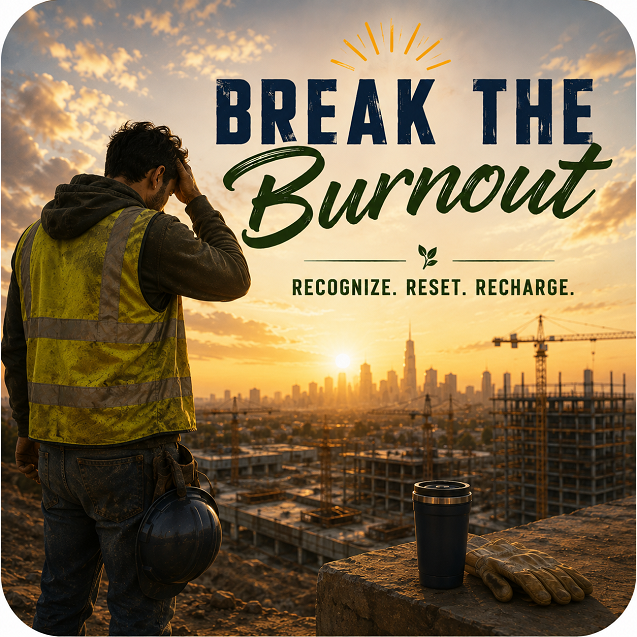
In our industry, hard work isn't just expected. It's part of who we are. Many of our members take pride in showing up, putting in the overtime, and doing whatever it takes to get the job done. But when long hours become the norm instead of the exception, it can begin to take a toll on both your physical and mental well-being.
Burnout doesn't happen overnight. It builds gradually, and many people don't recognize it until they're already running on empty.
What Is Burnout?
Burnout is more than simply feeling tired after a long week. It is a state of emotional, physical, and mental exhaustion caused by prolonged stress. Left unchecked, it can affect your health, your relationships, your job performance, and your overall quality of life.
Working overtime for a short period may be manageable. However, when weeks or months of extended hours are combined with family responsibilities, financial stress, lack of sleep, or other life demands, burnout becomes much more likely.
Signs You May Be Experiencing Burnout
Ask yourself if you've noticed any of the following:
- You're exhausted even after a full night's sleep.
- You're more irritable or impatient than usual.
- Small frustrations feel overwhelming.
- You have trouble concentrating or making decisions.
- You're becoming cynical or losing pride in your work.
- You dread going to work, even though you used to enjoy it.
- You're withdrawing from family, friends, or activities you once enjoyed.
- You're relying more heavily on alcohol, nicotine, caffeine, or other substances to get through the day or unwind afterward.
- You're experiencing headaches, muscle tension, stomach issues, or frequent illnesses.
Experiencing one or two of these occasionally is normal. If several of these have become your daily reality, it may be time to check in with yourself.
Ways to Reduce Burnout
While we can't always control work demands, there are steps we can take to protect ourselves.
Prioritize Sleep
Sleep is one of the most powerful tools for recovery. Aim for a consistent sleep schedule whenever possible and create a routine that helps you wind down after work.
Take Real Breaks
Even a five to ten minute break during the workday can help reset your mind and reduce stress. Give yourself permission to step away when it's safe to do so.
Stay Connected
Burnout often causes people to isolate themselves. Make time for family, friends, or coworkers you trust. Sometimes simply talking through what's been weighing on you can make a significant difference.
Make Time for Recovery
Recovery doesn't always mean taking a vacation. It can be as simple as going for a walk, exercising, spending time outdoors, enjoying a hobby, attending church, reading a book, or doing something that helps you recharge.
Pay Attention to Your Stress Level
Ask yourself regularly:
- How am I really doing?
- What do I need today?
- Am I simply tired, or am I running on empty?
Checking in with yourself can help you recognize burnout before it becomes overwhelming.
Give Yourself Permission to Say No
If your schedule allows, consider whether every extra commitment is necessary. Protecting your health is not a sign of weakness. It's an investment in your ability to continue showing up for the people who depend on you.
You Don't Have to Handle It Alone
If burnout is beginning to affect your work, your relationships, or your overall well-being, know that support is available. The IBEW Local 701 Members Assistance Program (MAP) provides confidential support for members, their eligible dependents, and retirees. Whether you're feeling overwhelmed, struggling with stress, anxiety, depression, substance use, relationship concerns, or simply need someone to talk with, we're here to help.
Sometimes a single conversation can help you regain perspective. Other times, we can connect you with additional resources or ongoing support that fits your needs. Reaching out isn't a sign that you've failed. It's a sign that you're taking care of yourself so you can continue taking care of everything else.
If you think burnout may be affecting you or someone you care about, don't wait until you're completely exhausted. Contact the MAP Program to learn how we can help. All services are confidential.